Growing Lavender in Northwest Oregon.
The four basic types of lavender which grow well in this area are:
English Lavender (Lavandula x angustifolia) preferred by many for their aroma and for culinary purposes. English lavender tends to be shorter, more compact and earlier blooming than the Lavandins. They are sometimes called "True" Lavender and are the hardiest.
Most common angustifolias are: Hidcote, Melissa, Royal Velvet, Buena Vista, Martha Roderick, Lady, Irene Doyle, Blue Cushion, Jean Davis and Sachet.

Lavandin (Lavandula x intermedia), a hybrid formed by combining L. angustifolia with L. latifolia, are the most commonly grown lavenders. Lavandins produce long-stemmed flower with thick flower spikes and often two secondary flower clusters below the primary one. They are used for u-cut, are used in crafts and for oil production, although the oil tends to be more camphoraceous than L. angustifolia oil.
Some common L. intermedias are: Grosso, Provence, Seal, Dutch, Super, Fred Boutin and White Spike.
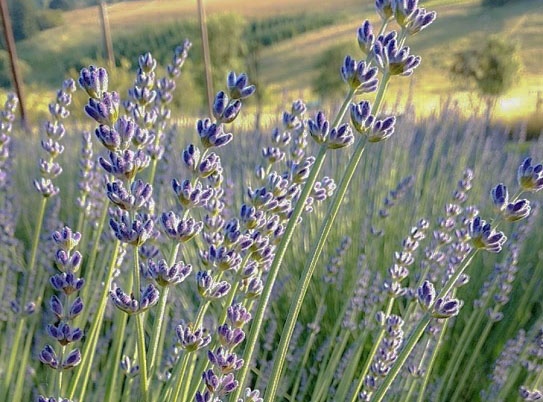
Riverina (Lavandula x intermedia 'Seal' x Lavandula angustifolia), a hybrid formed by combining L. intermedia 'Seal' with L. angustifolia, is the latest species of lavender. Riverina produce long-stemmeds with thick flowers and bloom in late spring to mid summer. They are used for u-cut and oil production, which is low in camphor and less than L. intermedia oil.
New breeds of Riverina are: Thomas, Alan, Heather, Eunice and James.
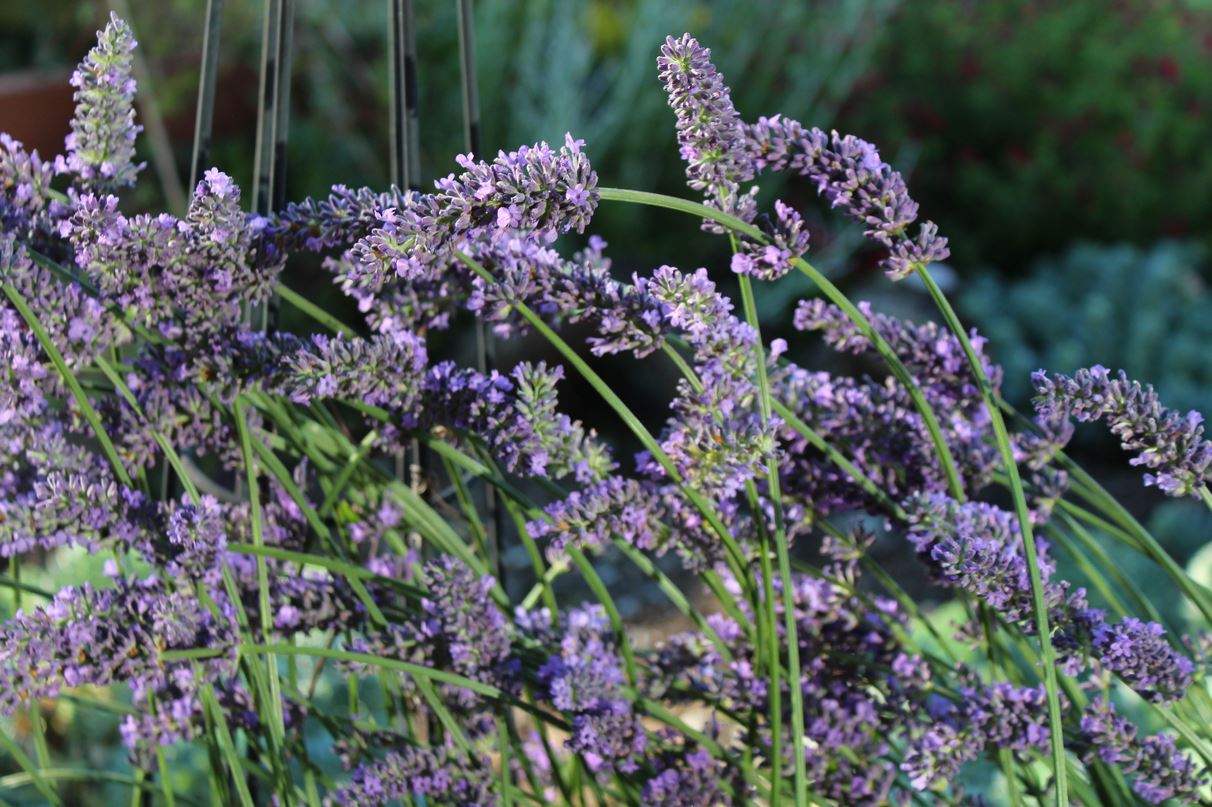
Spanish Lavender (Lavandula stoechas) although showy with “rabbits’ ears” on top, is more tender than English or Lavandins and tends to sprawl. It is grown as a landscape plant and not for crafting or oil use.
Spanish Lavender are: Regal Splendour, Bellerina, Madrid Purple, Spanish Curly Top, Tickled Pink and Van Gogh.

Tips on Growing Lavender
Lavenders will thrive in most soils keeping these factors in mind: They need good drainage. Banks or slopes are great places for lavenders or if in flat places, create mounds. They like full sun. Gritty or sandy loam is best, but lavenders will do well in clay if the site is amended with sand & lime or bone meal to increase pH level. Pruning is critical! Plants must be pruned ½ to 2/3’s of the growth, preferably in the fall.
Source: Growing Lavender and Community on the Sequim Prairie: A How-to and History, by Betty Oppenheimer